

Pelvic Floor and Core Retraining
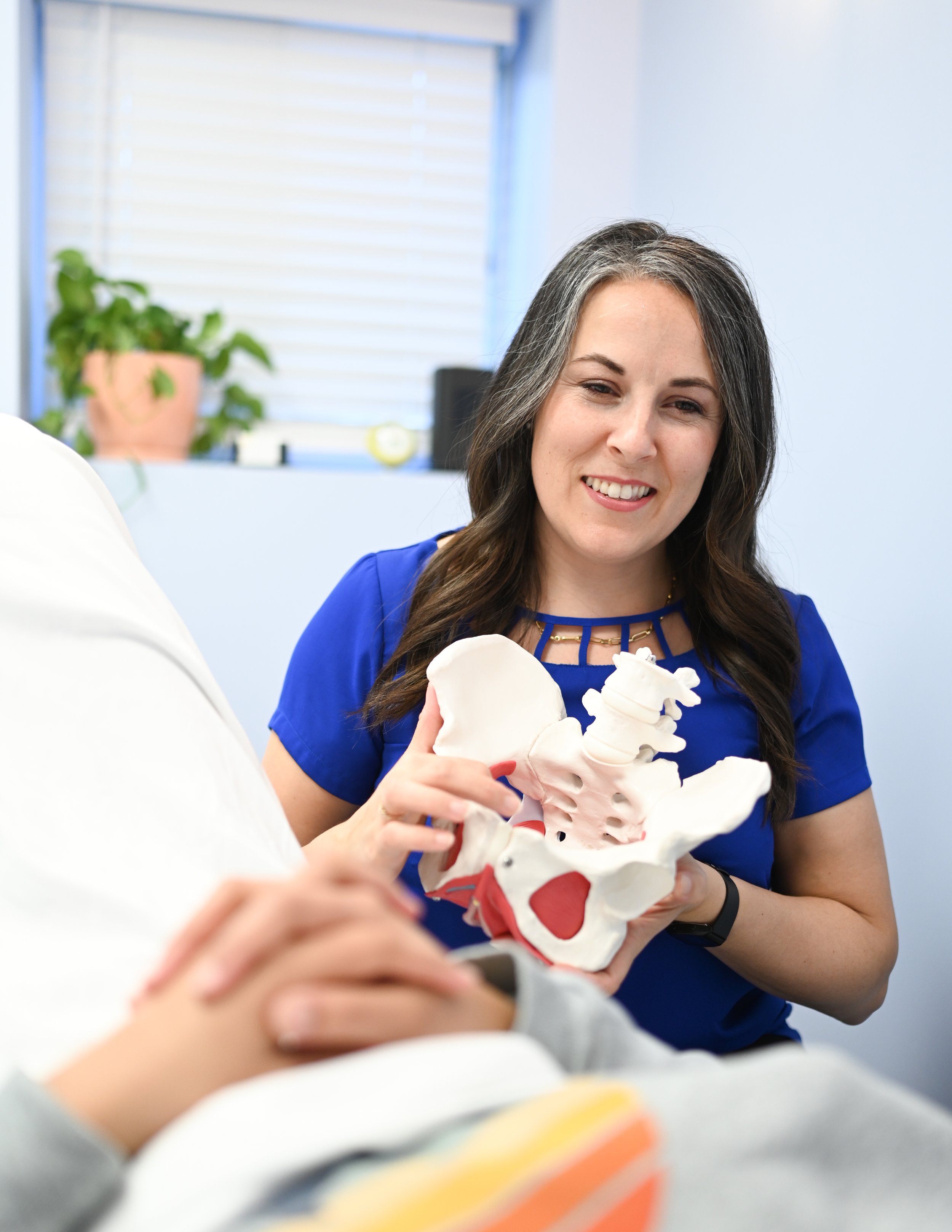
All individuals have a pelvic floor, and can benefit greatly from professional and compassionate care to this sensitive and intimate area of the body.
Post Prostatectomy Care: A prostatectomy can be lifesaving, but it’s also a major event for the body and nervous system. Recovery isn’t just about healing the surgical site—it’s about restoring confidence, function, and a sense of normalcy. Pelvic floor rehabilitation plays a central role in that process, especially when it addresses the whole person, not just the muscles.
• Bladder health: urinary leakage, urinary retention, pain with urination, increased frequency and increased urges, interstitial cystitis/ painful bladder syndrome (see Urinary and Bowel Health)
• Bowel health: constipation/straining, diarrhea, irritable bowel syndrome, fecal/ gas incontinence, anal fissures, anal pain, rectocele management (see Urinary and Bowel Health)
• Sexual dysfunction: pain with sex or intimacy, inability to orgasm, erectile dysfunction, painful penetration (dyspareunia), painful orgasm, pain with ejaculation.
•Pelvic post surgical and scar management : including but not limited to: abdominoplasty, corrective surgeries (tummy tuck, breast augmentation), all types of pelvic cancer, hysterectomy, bladder surgeries, prostatitis, prostatectomy, hernia repair, abdominoplasty, vulvar surgery, vestibulectomy, endometriosis excision or ablation
•Abdominal pain: associated with endometriosis, fibroids, inguinal canal disruption, hernia repair, abdominal surgery, c-section, abdominoplasty, corrective cosmetic surgeries ( tummy tuck, breast augmentation)
• Pelvic pain: any and all pain conditions of the pelvis including but not limited to vaginismus, vulvar pain (vulvodynia), vestibulitis, testicular or scrotal pain, penile pain, prostatitis, interstitial cystitis/painful bladder syndrome, pelvic muscle spasm, pudendal neuralgia,
•Orthopedic pain: hip, low back, tailbone (coccyx), sacroiliac pain. (see low back pain)